
Soil-to-Soil Textiles School Program
A Rust Belt Fibershed Pilot Program, Funded by The Hershey Foundation
Where Does Your Clothing Come From?
This fall, students in five schools in the greater Cleveland area are finding out, but with their own hands!
The Soil-to-Soil Textile Curriculum is a hands-on, grant-funded program bringing material literacy, fiber & natural dyes, and collaborative textile art into classrooms and after school programs across the region. Students trace the full life of a piece of cloth — from the soil and the plants and animals that grow it, through the hands that transform it, to the ground it eventually returns to.
What Students Discover
Fiber Origins & Soil Systems Students touch and examine raw wool and cotton, card and spin fiber by hand on drop spindles, and learn how healthy soil and living systems make fiber production possible in the first place.
Natural Dye & Material Transformation Onion skins, marigolds, cabbage — students extract real color from plants, build dye baths, and watch chemistry happen in front of them. They leave with dyed fabric of their own and a new sense of where color comes from.
Collaborative Creation & Material Afterlife Students contribute to a shared felted textile panel for public display, and set up a decomposition investigation to observe what happens to natural materials at the end of their life. Observation journals carry their thinking across the whole arc.
A Regional Showcase — December 2026 Student work goes on public display at a celebration for families and the wider community — a chance for students to be the ones explaining what they made and why it matters.
What We're Hoping to Learn
This is a Year One pilot — and we're treating it like one. Alongside every session, we're gathering real data to answer questions that will shape where this program goes next:
Does hands-on material work change how students think? We're tracking shifts in material literacy and systems thinking through pre/post assessments and observation journals — not just whether students enjoyed it, but whether it changed how they see the objects around them.
What does this look like across different classrooms? Five teachers, five schools, five sets of constraints. We're paying close attention to what flexes and what breaks as the curriculum meets different schedules, grade levels, and classroom cultures.
What does real partnership between a nonprofit and a classroom require? This model leans on RBF facilitators doing the hands-on teaching alongside you. We're learning what that division of labor actually takes to sustain — for us and for you.
Can this scale? Everything we learn this year — what worked, what needs to change, what teachers actually needed more or less of — becomes the blueprint for expanding Soil-to-Soil School Program across the region in future years.
We're not running this pilot to prove it works. We're running it to find out how it works, and then: to build the next version with real classroom evidence.
Meet the Pilot Teachers
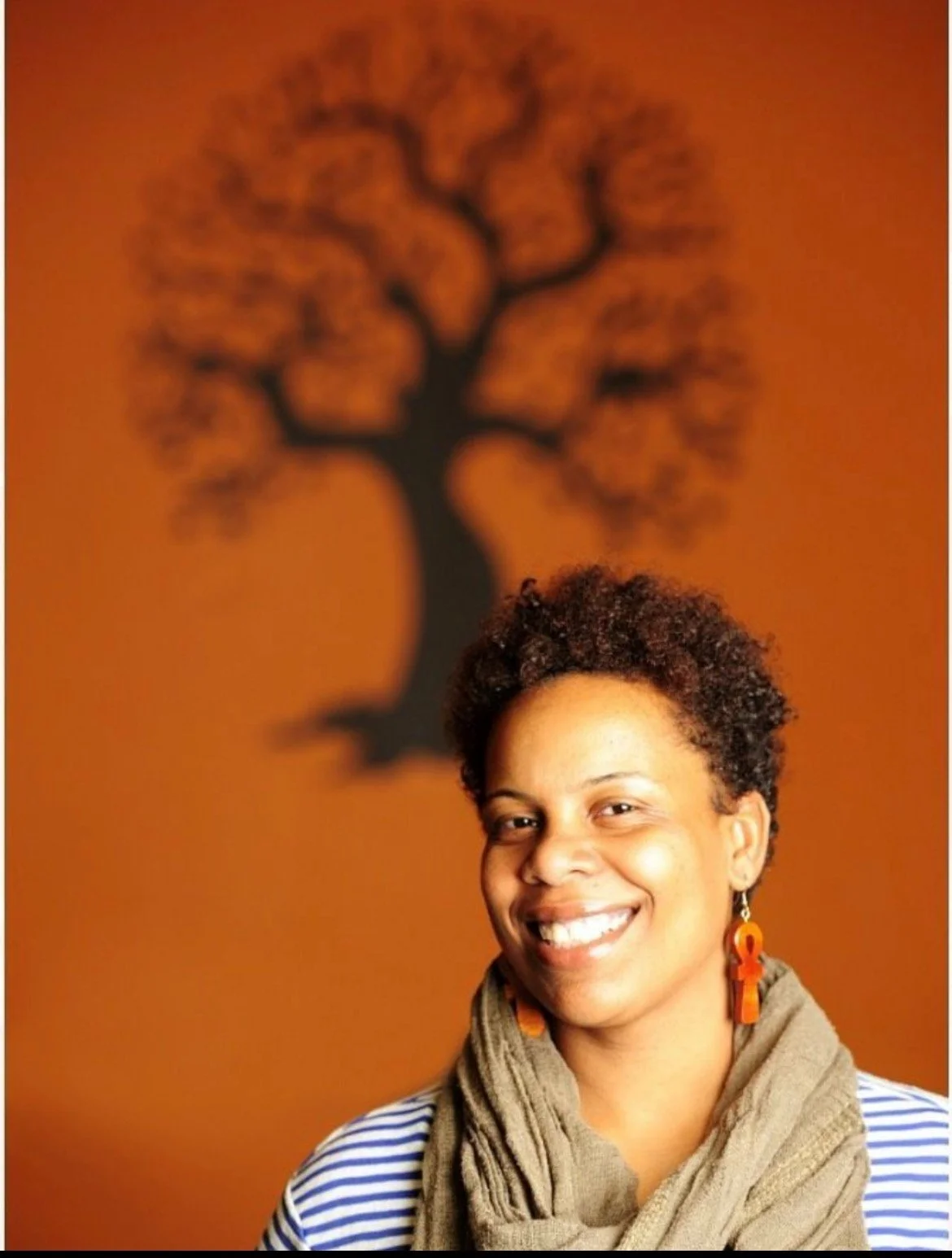
Nakia Smith
Lead afterschool teacher
EAST END NEIGHBORHOOD HOUSE in Cleveland
Nakia is an educator of over 20 years, with a passion for agricultural education. Chickonomics is a class she teaches, across ages, on how to raise chickens from egg to hatch and learning self-sustainability along the way.
Darci Sanders & Eileen Sheehan
with cooperating teacher, Megan Pilar
GILMOUR ACADEMY in Gates Mills
Darci Sanders is a lifelong learner, especially when it comes to the natural world. She graduated with a B.A. in Biology, with a concentration in Botany, and Secondary Science Education, from Hiram College and an M.S. in Plant Physiology from The Ohio State University. Darci dedicated nearly 30 years of her career to directing the environmental education program at Lake Erie Nature & Science Center, designing and providing programming for learners of all ages, toddlers through adults. Currently she is the Nature- Based Learning Coordinator for Gilmour Academy, where she works to seamlessly infuse nature education into the student experience at all levels, toddlers through grade 12. The learning activities take place across the campus, making the most of forest, fields, ponds and a small farm featuring 20 raised bed gardens, 11 heritage breed hens and two beehives. She also teaches an AP Environmental Science class for mainly junior and senior students.
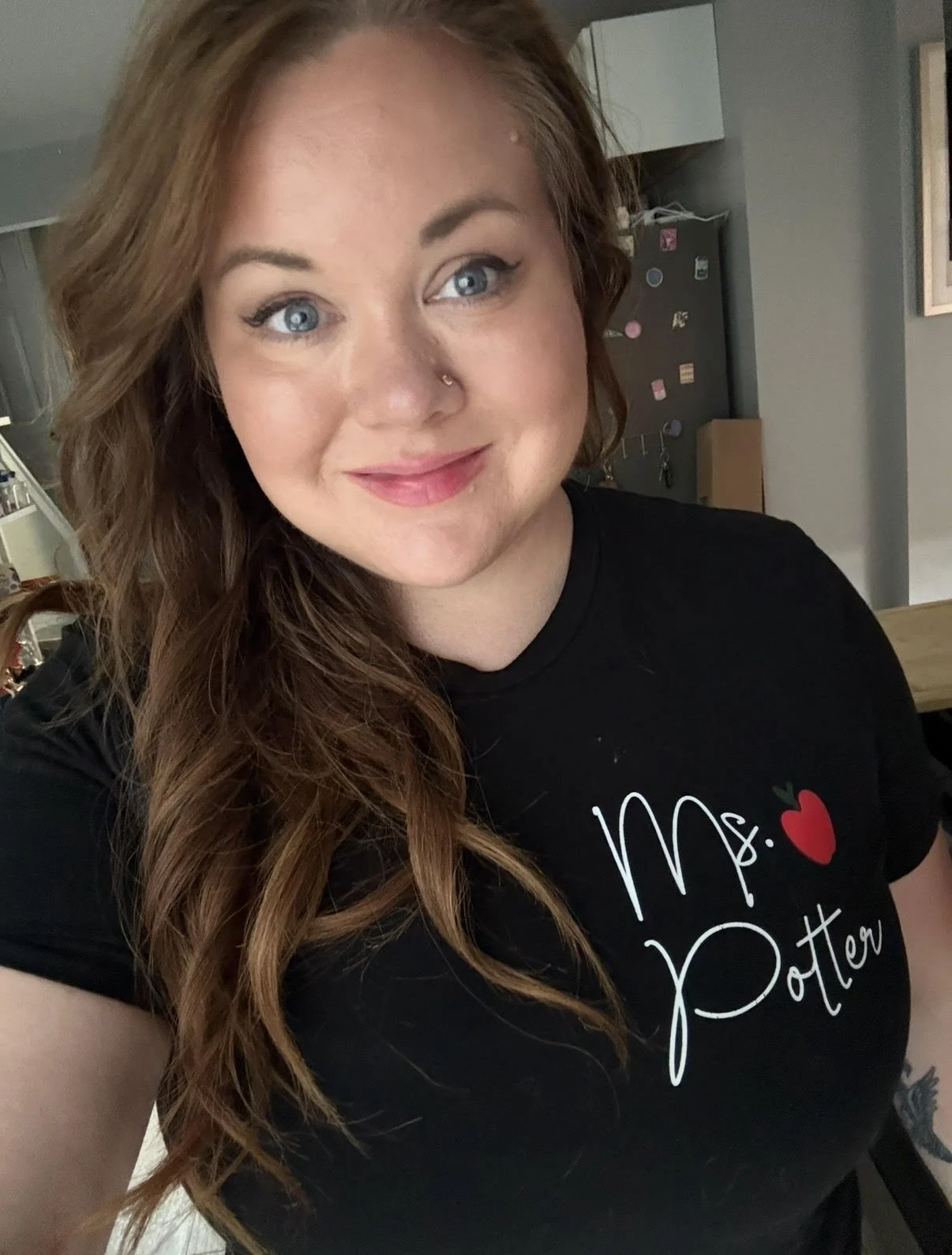
Kate Potter
WILBUR WRIGHT in Cleveland
CLEVELAND METROPOLITAN SCHOOL DISTRICT
Kate Potter is a teacher who loves helping students grow as readers, writers, and thinkers. She teaches middle school English language arts in Cleveland and enjoys creating engaging lessons that help students connect with stories and ideas. Before becoming a teacher, she served in the United States Army, an experience that shaped her commitment to service and community. In the classroom, she focuses on building a supportive environment where students feel confident taking risks and sharing their voices. She believes learning should be active, meaningful, and connected to the world around us. Kate enjoys collaborating with colleagues and community partners to create opportunities that enrich students’ experiences. She is grateful to be part of a school community that values creativity, curiosity, and growth."

Tamara Davis
BEAUMONT SCHOOL in Cleveland Heights
Having worked in fashion and taught fashion design at the FASHION SCHOOL at Kent State University for years, Virginia Marti School of Fashion and now as a high school fashion teacher, I am excited to find interesting ways to connect my students to fashion in a more personal way. It is important to know about the fabrics and dyes and processes we use in fashion. I believe in farm to table and farm to fabric to fashion!
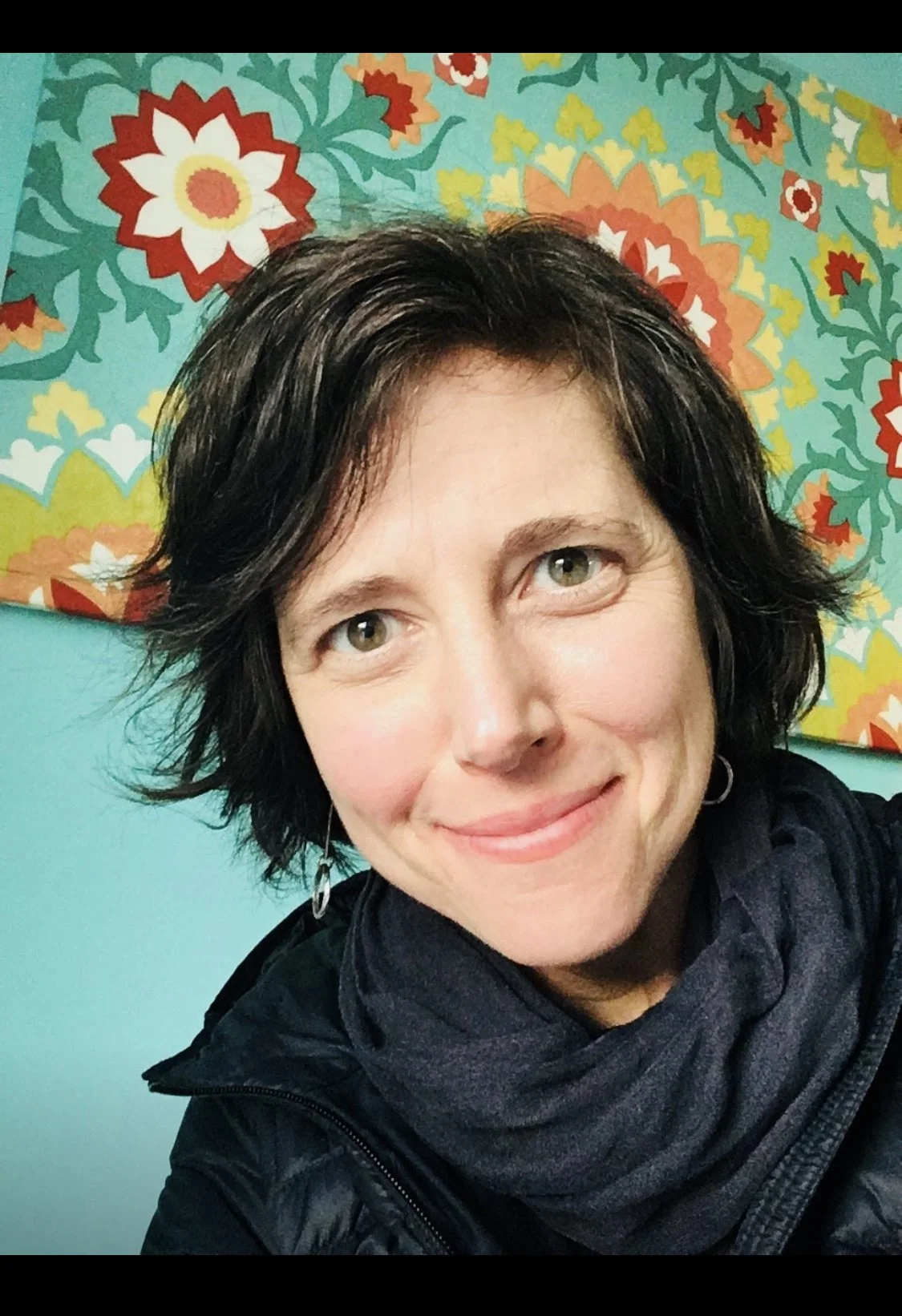
Melissa Nilsen
HATHAWAY BROWN in Shaker Heights
Melissa Nilsen graduated from Kent State University in 1999 with a Bachelor’s degree in Liberal Arts. After working in several non-profit organizations she decided to return to education and received her Pre-K through 12th grade Visual Arts Licensure through Notre Dame College in 2007. She has been teaching visual art in Northeast Ohio public and private schools for fifteen years. Melissa currently teaches middle school art at Hathaway Brown School in Shaker Heights. Melissa has started to develop a natural dye garden on the grounds of HB for use across divisions. She has also been involved in facilitating the middle school art show, division wide art installations, design and construction of performing art costumes and props, and making cross curricular project connections among her colleagues.
Why This Program Exists
Rust Belt Fibershed is building a circular, bioregional textile ecosystem within 250 miles of Cleveland — reconnecting people to local fiber producers, natural materials, and the land that sustains textile production. Soil-to-Soil is our first classroom-facing program that we’ve been dreaming up for years: a Year One pilot, funded by The Hershey Foundation, that we're building with five partner teachers before expanding it across the region.
We believe kids build real material literacy the same way they build anything real — by doing it with their hands, not just reading about it.
For Educators: What's Included
Every pilot classroom gets full support, at zero cost to the teacher or school, thanks to the Hershey Foundation:
$500 teacher stipend, paid in two installments
All materials provided — raw wool, drop spindles, carders, natural dyes, and student journals, delivered ready-to-use
RBF facilitators lead every hands-on session — you don't have to plan or prep
Summer training workshop to contextualize and walk through the curriculum
Flexible pacing across 3 classroom sessions in fall 2026
Learn more about what's involved in by connecting with Sarah@rustbeltfibershed.org